Me Time |
By Trixie Reyna on September 7, 2015
As I told you in my blog yesterday, my boyfriend recently suffered wound infection, and I had to scramble to figure out a way to help him treat it. I share with you below what I’ve learned, so that my boyfriend and I can also turn to this again should the need arise (I hope not anymore).
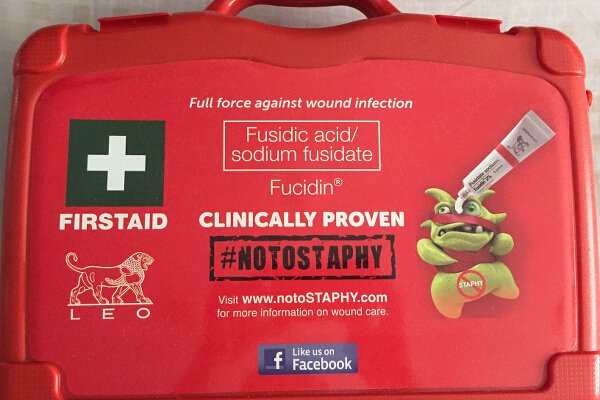
While having a complete first aid kit is a huge step in the right direction (click here for a checklist of what it must contain), it’s still important to know the right steps you must follow when you or other members of your family, especially kids, get wounded.
1. Stop the bleeding
If the wound is bleeding, take a deep, calming breath then apply a steady but gentle pressure for 15 minutes with a sterile bandage to stop further bleeding. Elevate the wounded area, be it the arm, hand, knee, or leg, if necessary.
2. Cleanse the wound
To get rid of other bacteria and debris from the injury, one of the first things you must do is clean the wound. Wash it and the area around it with soap and lukewarm water for 15 seconds to prevent further contamination.
3. Secure against infection
While cleansing removes bacteria from the wound and its surrounding area, it doesn’t kill bacteria, particularly the much despised Staphy, or Staphylococcus Aureus, a species of bacteria responsible for wound infection. To battle this and help skin’s natural healing process, apply a thin, even layer of antibiotic cream or ointment on the surface of the wound to keep it moist. The ointment will also keep the bandage from sticking to the wound. Look for an antibiotic ointment or cream that has fusidic acid, like Fucidin, which is known to target Staphy.
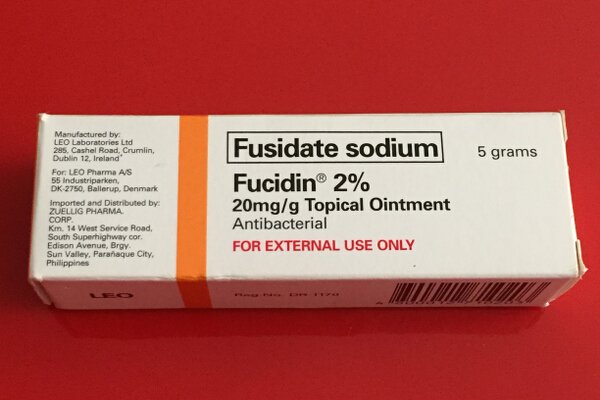
TIP: While commonly used wound care agents like hydrogen peroxide, acetic acid, and povidone-iodine can destroy bacteria, they may also irritate healthy skin tissue, hampering the healing process. Your best bet is a powerful topical antibiotic like Fucidin that’s fast acting and deep penetrating yet does not damage healthy tissues.
4. Cover bigger wounds with bandage
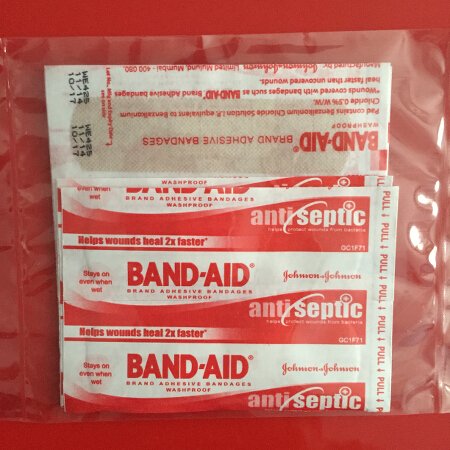
If it’s only a minor cut, scrape, or scratch, it’s okay to leave it uncovered. For small cuts, you may use adhesive strips (like band-aid). However, if it’s worse or bigger than that, protect the wound from dirt and further irritation by applying a sterile bandage to help keep it clean. Covering the wound aids in more efficient healing, decreases the chances of scarring and infection, and offers extra comfort and protection until it is healed completely.
5. Change the dressings
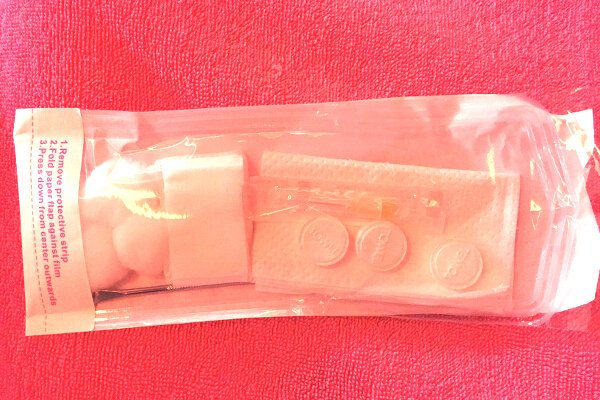
If the wound is deeper, bigger, and requires dressings, make sure to change it whenever the bandage becomes dirty or wet. It’s always best to ask a healthcare professional for proper ways of changing dressings specific to the wound.
6. Observe for infection
After you have diligently followed all steps to proper wound care, you have to vigilantly watch the wound for signs of infection. This includes redness, increasing pain, warmth or swelling around the area, and pus oozing out of the wound. Recognize these signs of infection so you know when to take the next steps. Of course, if you had followed the steps to proper wound care, you really need not worry about infection. But when it does happen and these signs occur, for some unavoidable reason even after you have done what you can, it’s time to consult your doctor!
7. See a pro
Most minor wounds can be cared for at home with routine first aid, plus the extra steps to prevent infection. However, not all cases can be cured by your TLC. Here’s when you must seek medical care for the wound:
- If the infection fails to heal, is bleeding or oozing with pus, has red streaks, or if the wounded is running a fever
- If the bleeding cannot be controlled by a bandage, direct pressure, and elevation
- If the wound looks like it may need repair with stitches because of its size or cosmetic reasons
- If the wound is from animal bites
- If the wound is difficult to clean
- If there is any of the aforementioned evidence of infection
For more wound care tips, visit notostaphy.com.ph.
Fucidin is available in leading Mercury Drug branches nationwide.
Photos by Trixie Reyna
Sources:









 How to manage your Prepaid Home WIFI with the new Globe At Home App
 6 Red Ribbon Cake Creations that are perfect for any celebration all year round
 Why a facial at Flawless is the most sulit I’ve ever tried
 Why Tsokolateria is my new favorite restaurant in Baguio—and I’m not even a chocolate lover!
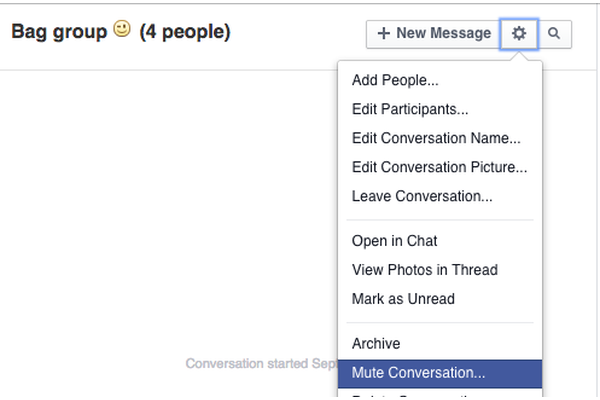 How to turn off chat notifications without conspicuously leaving the conversation