Be a #CyberPinoy and advocate responsible internet use with these cyberwellness tips from Globe.
Just this week, I’ve read Facebook posts from friends whose emails someone tried to or successfully hacked, as well as those whose online banking accounts have been compromised, and even those who discovered fake social media accounts using their identity. And I’ve been extra paranoid about online security.
I think it’s perfect timing that I came across this info: Did you know there’s such a thing as Safer Internet Day? This year, it’s celebrated globally today, February 7.
An initiative of the UK Safer Internet Centre, Safer Internet Day “sees hundreds of organisations get involved to help promote the safe, responsible and positive use of digital technology for children and young people.”
Internet access in the Philippines has grown by 500% over the last four years, the fastest rate in Southeast Asia. But while the Internet plays a big role in our lives, it also exposes us to various online security risks (like my examples above). That’s why the Singtel Group, which Globe Telecom is a part of, works with partners, leading experts, and government across the region to create empowered, responsible digital citizens through innovative, impactful programs such as the Digital Thumbprint Program to educate children and adults about cyber wellness and being a positive digital citizen.
According to Singtel Group Sustainability VP Andrew Buay, “So far, we have already reached 292,000 students—98% learned from the program and 95% of students planned to take action following our program.”

DTP is one of the major components of Globe’s #CyberPinoy cyberwellness campaign, which inspired this blog post on how to more responsibly use the Internet. Because I can’t stress its importance enough, here are more important cyberwellness tips from Globe—make this part of your to-do and to-learn in observance of Safer Internet Day:
1. Think before you share. Your online identity is as safe as you make it. “I’m X years old today,” “Call me on this number,” “Come to my house. Here’s the direction,” “I love my dog. His name is …,” “My favorite movie is…” While these statements look harmless, they are actually dangerous when seen by the wrong persons. Hackers can use certain information to compromise not only your online accounts but even your personal lives. Using information they find in the internet, they can answer security questions and gain access to passwords to damage reputation, scam other people, rob, or worse, cause bodily harm or even death.
Watch “Connected Lives” below to learn more about keeping your personal information safe.
2. Ensure that your password is hack free. Avoid the top 20 most popular passwords used: 123456, password, 12345, 12345678, qwerty, 123456789, 1234, baseball, dragon, football, 1234567, monkey, letmein, abc123, 111111, Mustang, Access, shadow, Master, and Michael. Visit howsecureismypassword.net to determine if your password can be hacked in six seconds or in six trillion years.
3. Be alert when using a public computer. Whenever you are in an internet shop/café or using a public computer, delete your browsing history and cookies before you leave. Also use private browsing where possible, watch for “over the shoulder” snoops when entering passwords, refrain from downloading personal files and email attachments, and log out after using your account.
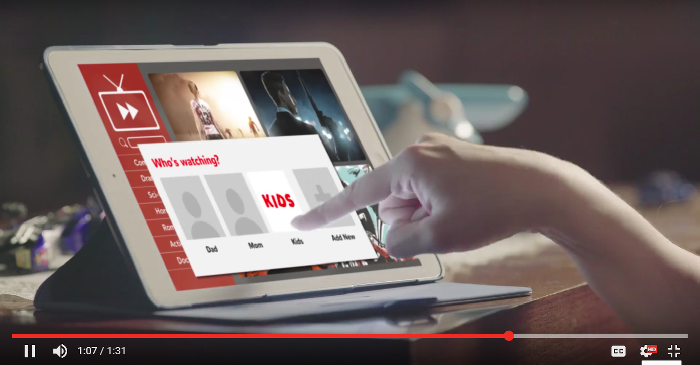
4. Protect your home with family-friendly entertainment. If there are kids at home, guide them whenever they browse the internet so they can access only age-appropriate materials and not fall prey to any sort of exploitation.
Watch “Connected Homes” below for more information on kid-friendly internet.
5. Encourage schools to adopt the Digital Thumbprint Program (DTP). DTP is a brainchild of Optus and Singtel, which Globe Telecom adopted locally to increase students’ knowledge of digital citizenship and cyber safety. They take a critical look at kids’ online behavior and help them develop insights into the influences of the online world and the choices they make. It involves workshops that cover three key topics: cyber safety and security, cyber etiquette and responsibility, and online leadership and empowerment. You may email your inquiries to bridgecom@globe.com.ph.

PC Magnaye of Globe Citizenship holds a DTP Workshop for college students during a recent youth boot camp.











 How to manage your Prepaid Home WIFI with the new Globe At Home App
 6 Red Ribbon Cake Creations that are perfect for any celebration all year round
 Why a facial at Flawless is the most sulit I’ve ever tried
 Why Tsokolateria is my new favorite restaurant in Baguio—and I’m not even a chocolate lover!
 How to turn off chat notifications without conspicuously leaving the conversation